
A stable and sustainable property market
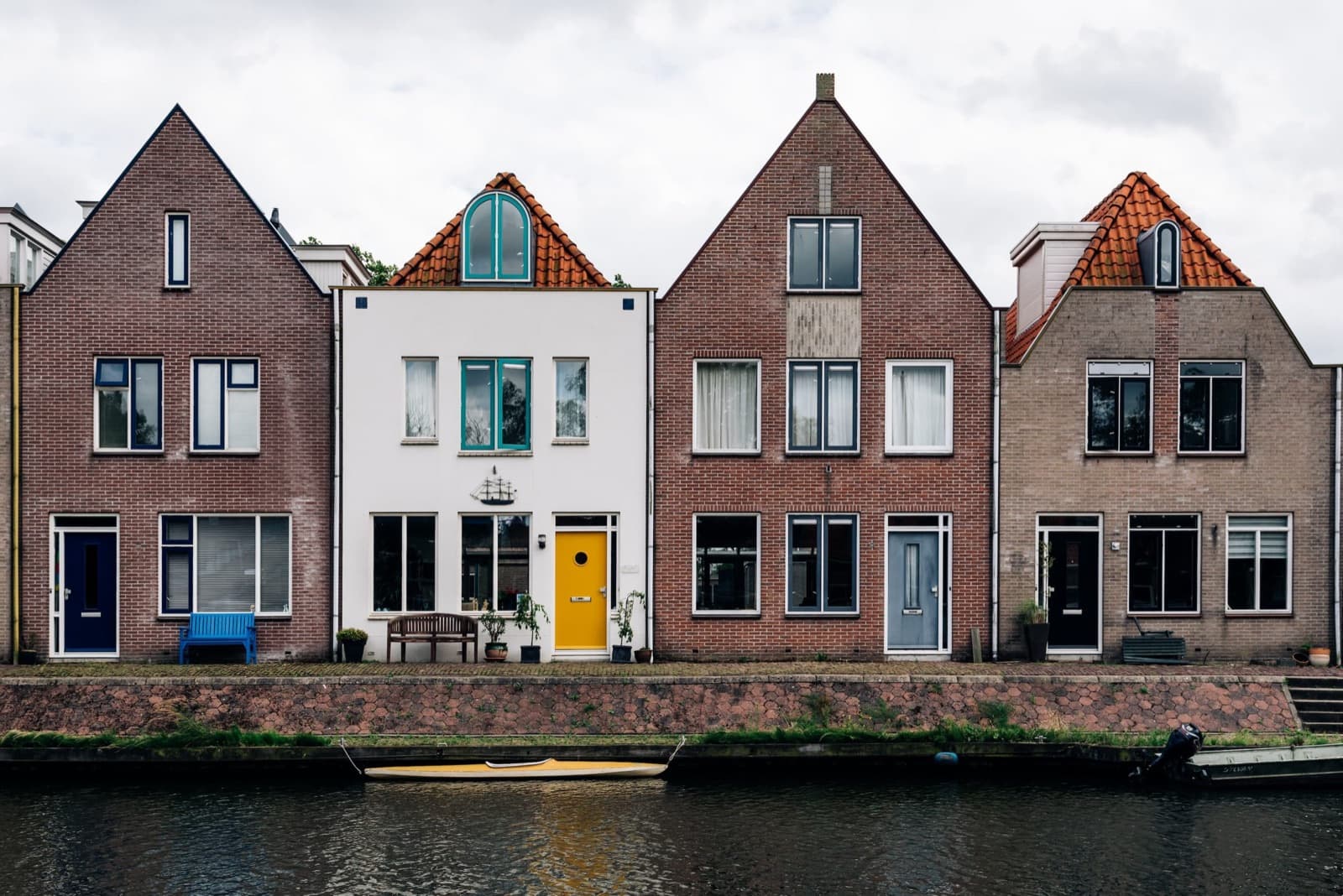
The Netherlands is known for its stable and sustainable property market, even with the government's current urge to regulate (which is soon to be replaced). Investing in property bonds in their own country gives Dutch investors the opportunity to benefit from the constant demand for property, supported by a growing population and economy.
A regular income stream
Property bonds generate regular income in the form of interest payments. This predictable cash flow is attractive to investors looking for stable returns. Dutch property bonds generally offer attractive interest rates, which makes them a valuable addition to your investment portfolio.
Diversifying your investment portfolio
By adding property bonds to your portfolio, you can spread your risks. Property often has a low correlation with traditional financial assets, such as shares and bonds, which makes it a valuable diversification option for investors aiming for a balanced portfolio.
Protection against inflation
Property bonds can act as an effective hedge against inflation. Historically, the value of property often rises in line with or above inflation, which allows investors to retain a degree of protection against loss of value.
Accessibility of the property market
The Dutch property market is known for its accessibility. Investors can easily gain access to property bonds and benefit from the transparent and sophisticated structure of the Dutch property market. This accessibility makes it easier to take investment decisions and to manage property portfolios.
Conclusion
Investing in property bonds offers several benefits, including a stable property market, regular income, diversification options and protection against inflation. However, it is important that investors carefully consider their own financial goals, risk tolerance and the specific characteristics of property bonds before taking investment decisions.

Next article
Is the average purchase price a good yardstick?
3 min read